Kit Culture describes the social, cultural and commercial significance of football shirts beyond their role as on-pitch sportswear.
It reflects the wider culture of kits and how they are worn, collected, styled and interpreted by fans, collectors and wider audiences.
At its core, Kit Culture connects football identity with clothing. Football shirts act as visible symbols of club or national team affiliation, while also reflecting design trends, sponsor eras, collectibility and manufacturing developments. Elements such as colour schemes, patterns, sponsor logos and manufacturer branding all contribute to how a shirt is recognised and valued within football and popular culture.
Football Shirt Collecting
The development of football shirt collecting within kit culture is closely linked to changes in kit design and on-pitch success. During the 1980s and 1990s, the shift from cotton to synthetic materials allowed for more complex graphics and patterns, leading to widely recognised designs such as the Netherlands 1988 shirt and West Germany 1990 jersey. These designs remain widely referenced in football shirt collecting and resale markets due to their cultural significance and association with international success.
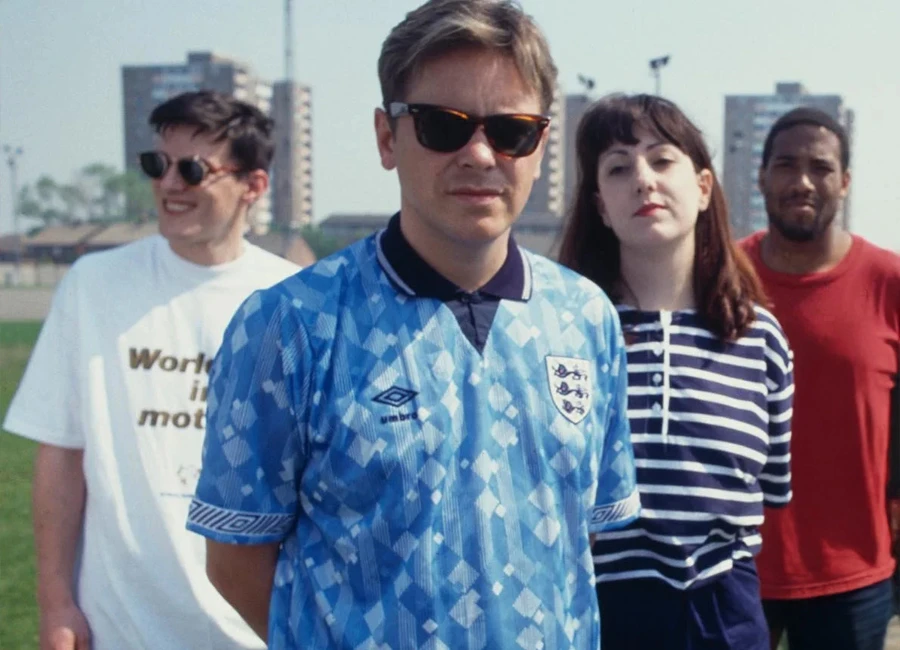
In the present day, Kit Culture extends beyond match use into fashion, media and global retail. Vintage football shirts and modern shirts are worn as casual clothing, while collaborations between clubs and external brands have expanded the reach of football kits into lifestyle markets.
Football shirt collectors, resale platforms, digital media and fan communities continue to shape how kits are shared, discussed and valued within football culture.