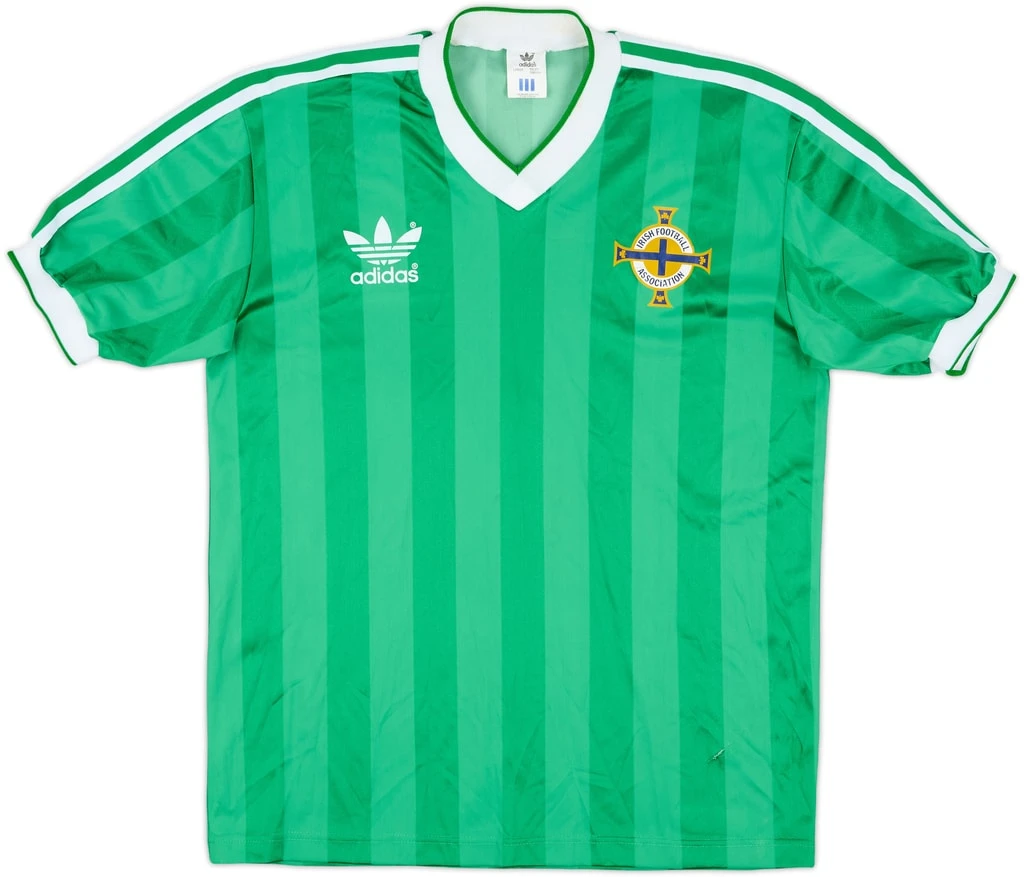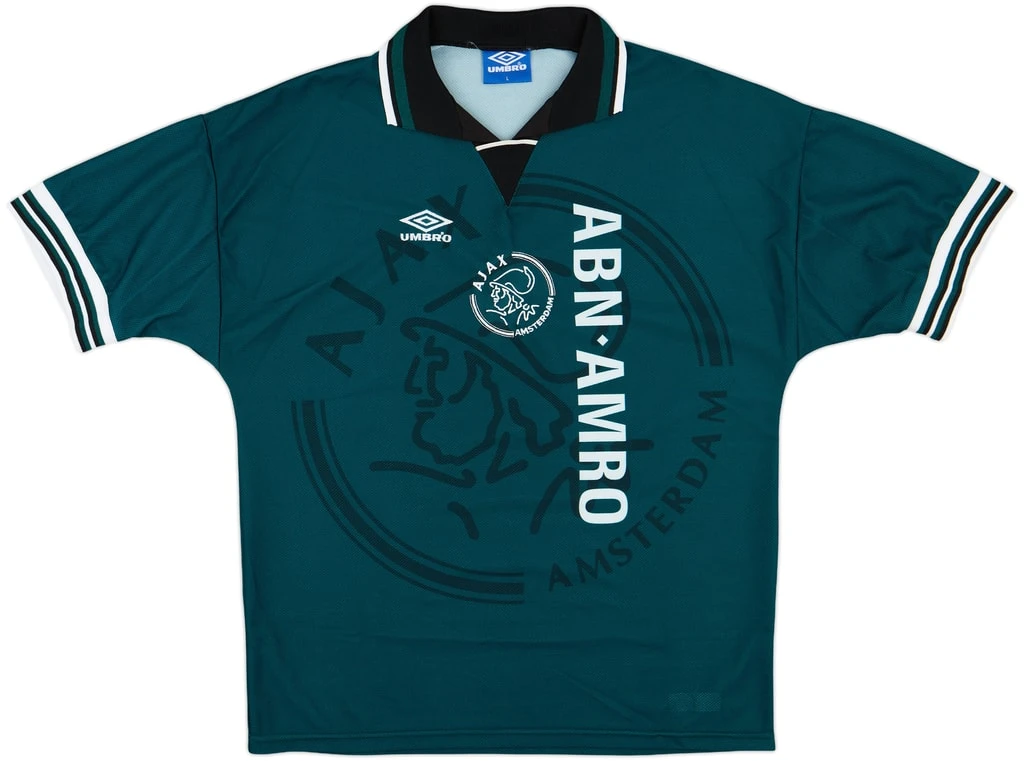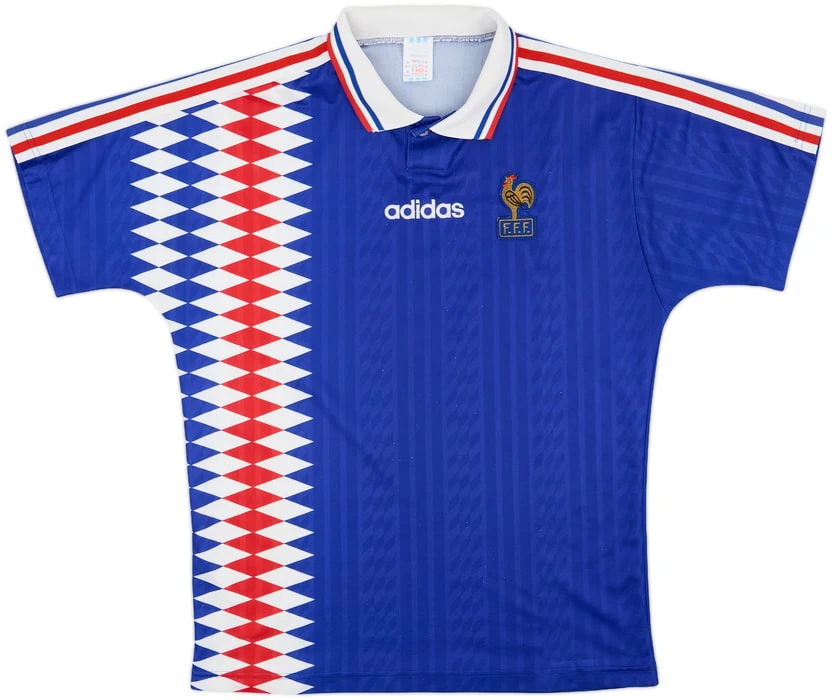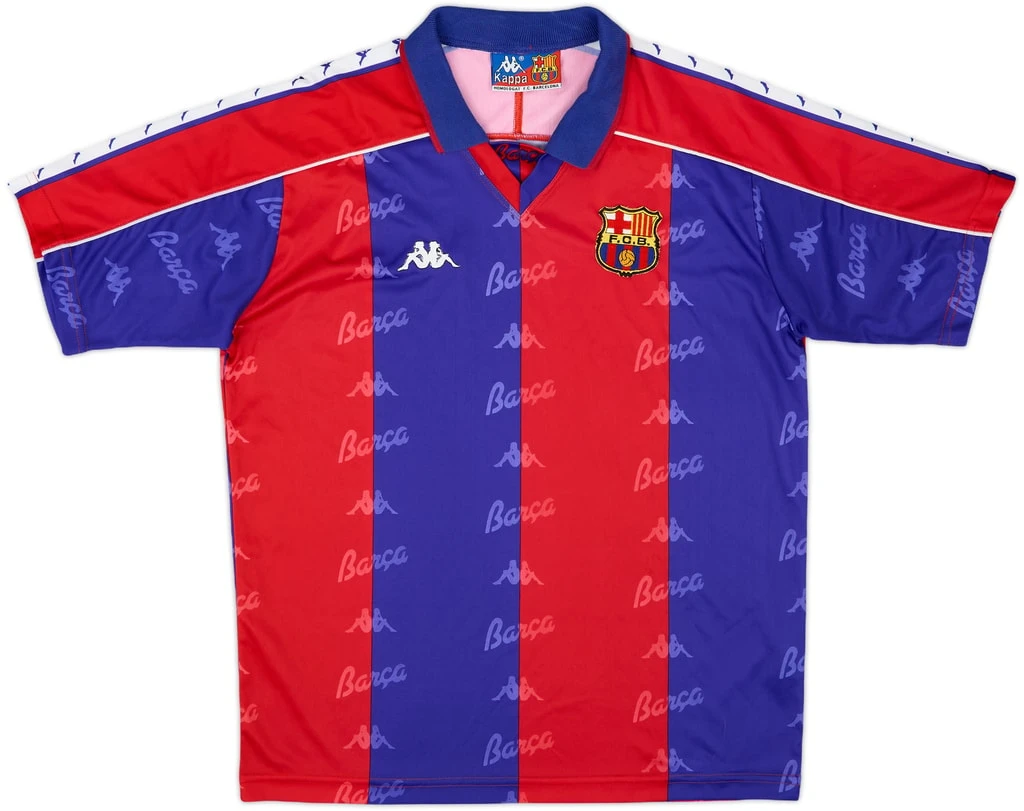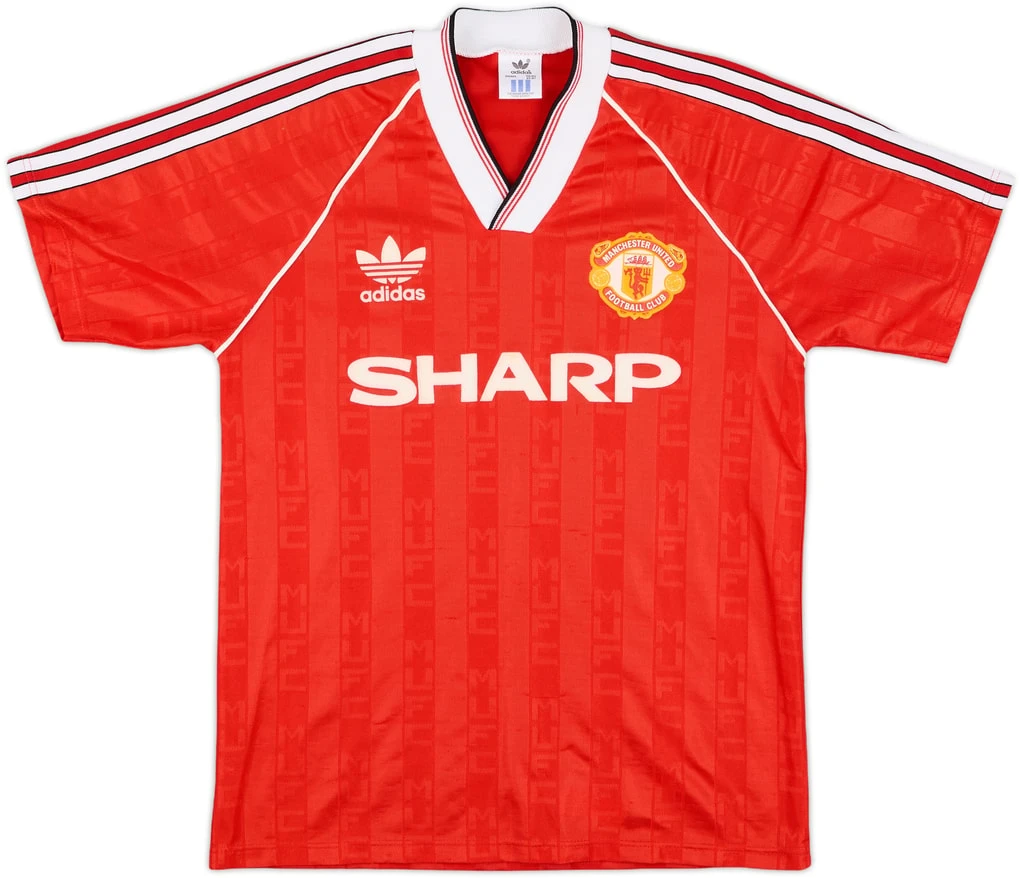
The mighty reds of Anfield were not always found to be playing at home in their now traditional all red strip and over the past century it has changed somewhat in style.
After the club were formed back in 1892 after the famous rent row at Anfield with Everton the club came into existence wearing a blue and white halved shirt similar to what you see today at Blackburn Rovers. The kit was made to make some distinction between themselves and Everton who were playing in various strips including Salmon Pink or Ruby Red. Just inside the 1900s the two clubs switched to their more commonly known kits. Everton returned to their original colours of blue and white whilst Liverpool switched to a red kit.
The house of Bukta - by Andy Bird
Bukta Sportswear was formed in 1878 by a Manc called Edward Buck(and his sons), Nottm Forest were the first team to take the plunge and wear their kit in 1884 and throughout the 1930’s they supplied kits to the majority of Division 1 sides, and, shit a brick…. Ajax even wore Bukta winning those European Cups in 1971/72/73. But that seems like another universe to the Bukta I know and love/hate.
Christmas Day of 1977 will be indelibly burned on my memory for ever, for one reason and one reason only. Me big present that day came in a stark unbranded sky blue cardboard box, I had a hunch what it was as soon as I saw it, and the shiver of excitement that run through my body as I opened it and I clocked that bright yellow and green Bukta Newcastle away shirt, like me Farmer Giles, and the dark haired bird out of Tight Fit, will stay with me forever, (although I later learned to my disappointment that this was just static electricity off the nylon/Poly, cos I lit up lamp posts as I ran past them in the front street), and as I ate me Sugar Puffs that morning, strangely, they seemed to be snap, crackling and popping more than usual, but again that was just the shirt reacting badly with the cereal.
CELTIC'S players all wore the mark of their club's magnificent No 7 at the CIS Insurance Cup final in a poignant tribute to Jimmy Johnstone.
The former Scotland winger, who died at the age of 61 after a long battle against motor neurone disease, will be remembered in unique fashion when every member of the Celtic team facing Dunfermline at Hampden will wear his famous No 7 on their shorts.
It had initially been suggested that the Celtic players should all wear a No 7 jersey, but this was understandably dismissed because of the confusion it could cause for the match officials in identifying individuals.
Carlos Tevez has joked he would rather forfeit his Premiership salary than wear the Brazil shirt that his West Ham team-mates have lined up as a punishment for his recent indiscretions.
The Argentinian international was forced into a humbling apology after walking out of Saturday's 1-0 win over Sheffield United after being substituted, and is now paying the price at the training ground.
Hammers boss Alan Pardew left Tevez's punishment up to his team-mates at Upton Park, and, as well as making a charitable donation to Great Ormond Street Hospital, the London side asked the deadline day signing to don the shirt of his country's greatest rivals.
Despite playing in Brazil with Corinthians before moving to England, the forward remains a died-in-the-wool Argentinian and would much rather forfeit his substantial earnings that open himself up to ridicule in his home country.
Adidas, the world’s number one football brand, has returned to Anfield and is once again proud to supply the new kit for Liverpool Football Club.
adidas becomes the official kit and sportswear supplier in a sponsorship agreement that takes effect from July 2006.
The new adidas strips hark back to the glory days when adidas first supplied Liverpool FC. The home kit is of course traditional red, the away kit is yellow and the UEFA Champions League away kit is white and green.
In light of terrible instance of fan racism in Serbia this past weekend and considering the fact that it Football Against Racism in Europe Action Week, you would think that UEFA would be pleased with the French club AS Nancy’s decision to wear shirts that read “No to racism” during UEFA Cup matches. Think again.
Europe’s football ruling body has banned AS Nancy from wearing the shirts in the competition because they do not comply with the competition’s rules because the slogan is on the neck, where the only writing allowed is the name of the sponsor.
Read more: UEFA says No to ‘No to Racism’ shirts
By Neil Andrews
In the early history of the game, teams were identified by the colours of their caps and socks or simply by armbands. But by the time the first ever FA Cup Final was played in 1872, teams had adopted their own distinctive strips and team colours, which in many cases have remained essentially the same ever since
Strict rules governed what was and what wasn't permissible in terms of colours and patterns. Goalkeepers in particular, until the rules were relaxed in the 1970s, were limited to green, blue, scarlet and white tops except for international matches, where yellow was the colour of choice. Green proved most popular simply because of the law of averages - very few teams wore green as their first strip. But it wasn't until the turn of the century that goalkeepers began to take on a separate identity. Indeed, prior to the First World War, the only way a goalie was distinguishable from his teammates was by the fact that he wore a cap on his head - although it must be said that in 1909 Scottish goalkeepers were instructed to wear different coloured jersey from the rest of their teammates.